No Sabo Kids: Healing Shame, Anxiety, and Family Expectations
Growing up as a “No Sabo kid” can feel like carrying a secret you were never supposed to have. Maybe your parents didn’t teach you Spanish because they wanted to protect you, help you fit in, or avoid the discrimination they experienced. Yet as an adult, you may find yourself straddling two worlds—too “American” for some family members, not “Latino enough” for others. Navigating this experience can feel like an identity crisis.
If you’re an anxious over-planner, a people-pleaser, or someone who masks to avoid conflict or disappointing others, this experience can hit especially hard. And you’re not alone.
What Are “No Sabo Kids”?
“No sabo kids” is a commonly used phrase used to describe first- or second-generation Hispanic/Latinx individuals who didn’t grow up speaking Spanish. Instead of saying “no sé” (I don’t know), some kids said “no sabo,” and the phrase developed.
Many adults who grew up this way carry:
Shame about not speaking the language
Stress when visiting family or cultural spaces
Fear of judgment from others
Pressure to prove they’re “enough”
This can snowball into anxiety, perfectionism, overthinking, and feeling disconnected from your cultural identity.
The Emotional Impact: What No Sabo Kids Carry
Being a “No Sabo kid” isn’t just about language—it’s about belonging. When you’re already someone who over-plans, avoids conflict, or masks emotions to keep the peace, this identity can intensify:
Chronic stress from trying to anticipate criticism
Internalized shame from feeling “incomplete”
Emotional exhaustion from people-pleasing
Tension in family relationships
Feeling like an outsider in your own culture
These experiences can shape how you see yourself, how you show up in relationships, and even how safe you feel being authentic.
How Therapy Helps “No Sabo Kids” Heal
Therapy creates a space where you don’t have to perform, please, or justify who you are. Instead, you get to understand the roots of your anxiety, heal shame, and build a relationship with yourself—and your culture—that feels authentic.
Here’s how:
1. Challenging Cognitive Distortions
Many “No Sabo kids” carry quiet but powerful beliefs like:
“I’m not Latino enough.”
“My family will judge me.”
“I have to be perfect to be accepted.”
Therapy helps you identify where those thoughts came from and gently challenge them, replacing them with beliefs grounded in truth, self-compassion, and cultural pride.
2. Healing Shame
Shame is isolating—it tells you that you’re “less than,” and it shows up in the body as tension, anxiety, and self-doubt.
Through therapeutic support, you can:
Understand the generational reasons you weren’t taught Spanish
Make space for grief and self-acceptance
Learn to release blame (from yourself and others)
Begin to reconnect with your identity on your own terms
3. Creating Healthy Boundaries
Many anxious or people-pleasing adults struggle to set boundaries, especially with family. Therapy helps you practice boundaries that honor your emotional wellness, such as:
Saying no without guilt
Protecting your energy during family gatherings
Navigating comments about your Spanish
Creating space for your needs, not just others' expectations
Healthy boundaries reduce stress and create more authentic, less pressured relationships.
4. Reducing Anxiety
Therapy supports you in managing the anxious thoughts and perfectionistic tendencies that often show up around cultural expectations, family interactions, and identity.
You’ll learn tools to:
Slow down overthinking
Ground yourself during moments of stress
Feel more confident in cultural spaces
Show up as your full self without masking
5. Improving Family Relationships
With healthier boundaries, clearer communication, and greater self-compassion, you can strengthen your relationships with family—without over-functioning or betraying your needs.
You may even feel safer exploring Spanish, reconnecting with cultural traditions, or redefining what being “Latino enough” looks like for you.

You Are Enough—Exactly As You Are
Being a “No Sabo kid” doesn’t make you less worthy of belonging, connection, or cultural identity.
Therapy can help you soften the shame, reduce the stress, and rebuild a relationship with yourself that feels grounded, proud, and whole.
If you’re an adult who identifies with this experience and are ready to start healing, we invite you to schedule a consultation.
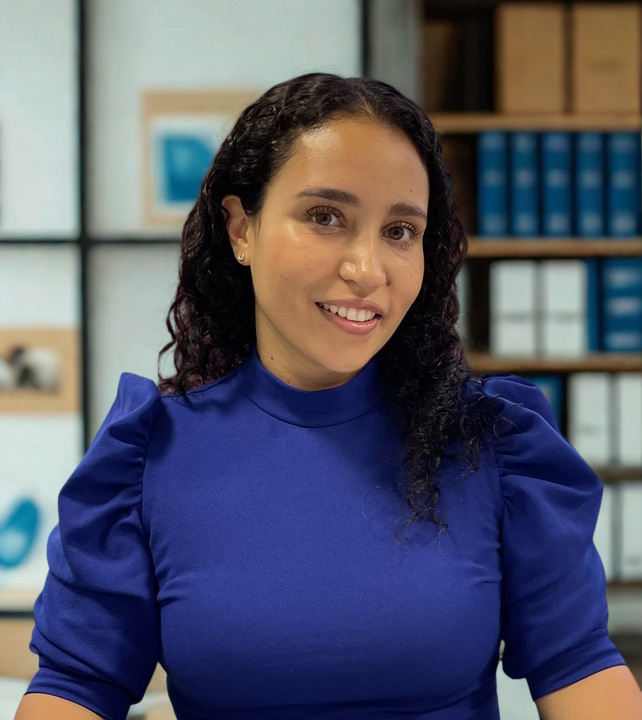
Meet Ximena Marin Gutierrez, MSW
Ximena specializes in supporting BIPOC adults seeking to process childhood experiences. She is currently a supervisee in social work under the supervision of Kelsey Wilson, LCSW, LICSW.
Originally from Columbia, Ximena is a bilingual therapist fluent in English and Spanish, with a Master’s in Social Work from Howard University. Her professional experience includes trauma-informed research, supporting survivors of trauma, and providing Applied Behavior Analysis (ABA) therapy. She uses a compassionate, evidence-based, and culturally informed approach to create a safe and empowering space for clients to thrive.