
The Invisible Load: What Military Family Members Carry (and Rarely Say Out Loud)
Introduction:
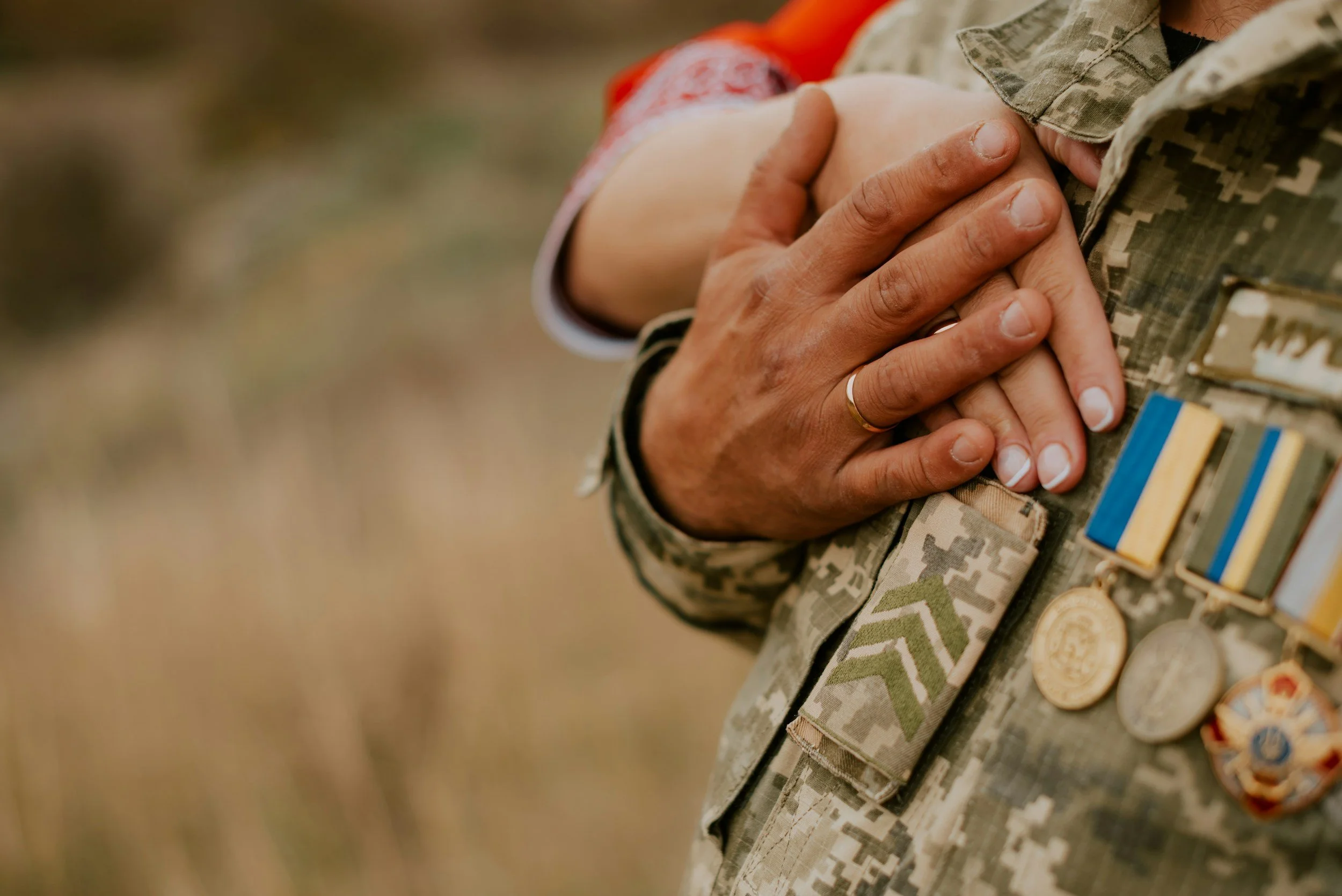
Military families take on a load that often doesn’t get highlighted enough. Moving, adjusting, reintegration after a return from deployment, new jobs, new schools, new friends, new providers in each city, new housing… all new things. Sometimes new doesn’t feel exciting or fun, it feels exhausting, frustrating, maybe a little sad. Even after your spouse or parent retires there’s still adjusting that takes place that requires real effort. Maybe you worked up in your mind that the retirement transition was going to be smooth and 100% a relief. Sometimes there’s grief that comes from retirement not looking exactly like you had planned. Finding a new routine as a veteran is not always so simple as well.
If this sounds familiar, I want you to hear this: what you're carrying is real, even when no one else can see it.
What the invisible load really is
The invisible load is everything you manage that no one sees: the remembering, the planning, the bracing for what's next, and the emotional holding of everyone else. Military life makes it heavier in some very predictable seasons.
For spouses, during deployment, you become the solo parent, the household manager, and the steady one, often while quietly worrying about your partner's safety. When they come home, there's a whole new adjustment as routines and roles shift again.
During a PCS move, you start over. New home, new schools, new doctors, maybe a new job search, and a support system rebuilt from scratch. Even when your loved one is home, long hours and training can leave you carrying more alone than anyone realizes.
Why so many of us don't say it out loud
There's a lot of pressure to be the strong one. You may not want to add to the stress of your partner or parent who's deployed. You may compare yourself to other spouses or your peers who seem to have it all together. You may worry that admitting you're struggling sounds ungrateful for the life you have.
Here's the truth: you can be capable and exhausted at the same time. Both are allowed. Being tired doesn't mean you're failing. It means you've been carrying a lot for a long time.
Five gentle reminders for the steady one
Name what you're carrying. Write down everything that's on your mind, even the small things. Seeing it on paper makes the load visible, and easier to share, trim, or let go.
Let "good enough" be enough. A quick unbalanced dinner, a messy living room, and an incomplete to-do list are not failures. We can take things one day at a time.
Build a small village at every duty station. It doesn't have to be big. One neighbor, one spouse from the unit, or one friend back home you can text honestly is a real start. If your parent or spouse has retired, look for community members who have gone through it and can understand.
Protect a little time that's only yours. Fifteen minutes with your coffee, a walk, a show you don't have to share. You matter outside of every role you hold.
Reach out before you're running on empty. You don't have to earn support by falling apart first. Asking for help early is not a weakness. It's wisdom.
You don't have to carry it alone
Being the steady one doesn't mean you have to hold everything by yourself. I grew up in a military family. My dad served in the Marines for 20 years. Reflecting back I see the significance of what it means to start over, and how much of an impact military life had on my family. So when I sit with military spouses and adult daughters of veterans, I'm not guessing. I get it, and I can help.
At Heala Psychotherapy, I offer telehealth therapy for military affiliated women in Virginia, DC, and Arizona, so my support can move with you if you're in these areas. If weekly sessions feel impossible with your schedule, EMDR intensives offer focused support in a shorter window, which can be a good fit during a deployment or between moves.
When you're ready, I'm here. [Schedule a free consultation]
About the author
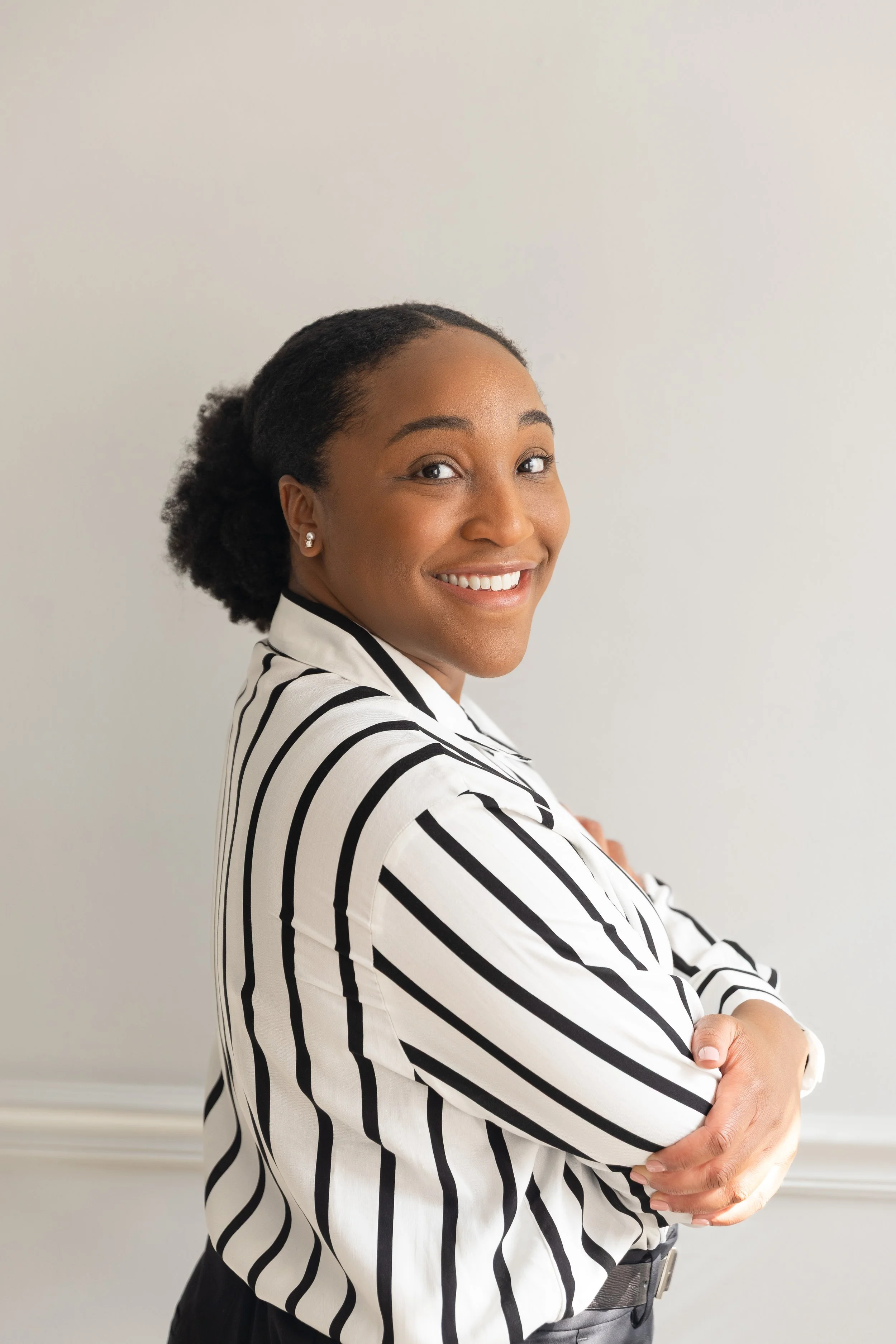
My name is Kelsey Wilson, LCSW, LICSW. I am a licensed therapist and private practice owner. I grew up in a military family and was raised in the VA Beach area. I specialize in working with women navigating burnout, anxiety, depression, military life transitions, and the emotional impact of trauma. I use evidence-based approaches such as EMDR, mindfulness-based therapy, and trauma-informed talk therapy to help clients heal from past wounds, strengthen relationships, and build sustainable emotional resilience.
At Heala Psychotherapy, I am committed to providing compassionate, specialized care to residents of VA, DC, & Arizona.